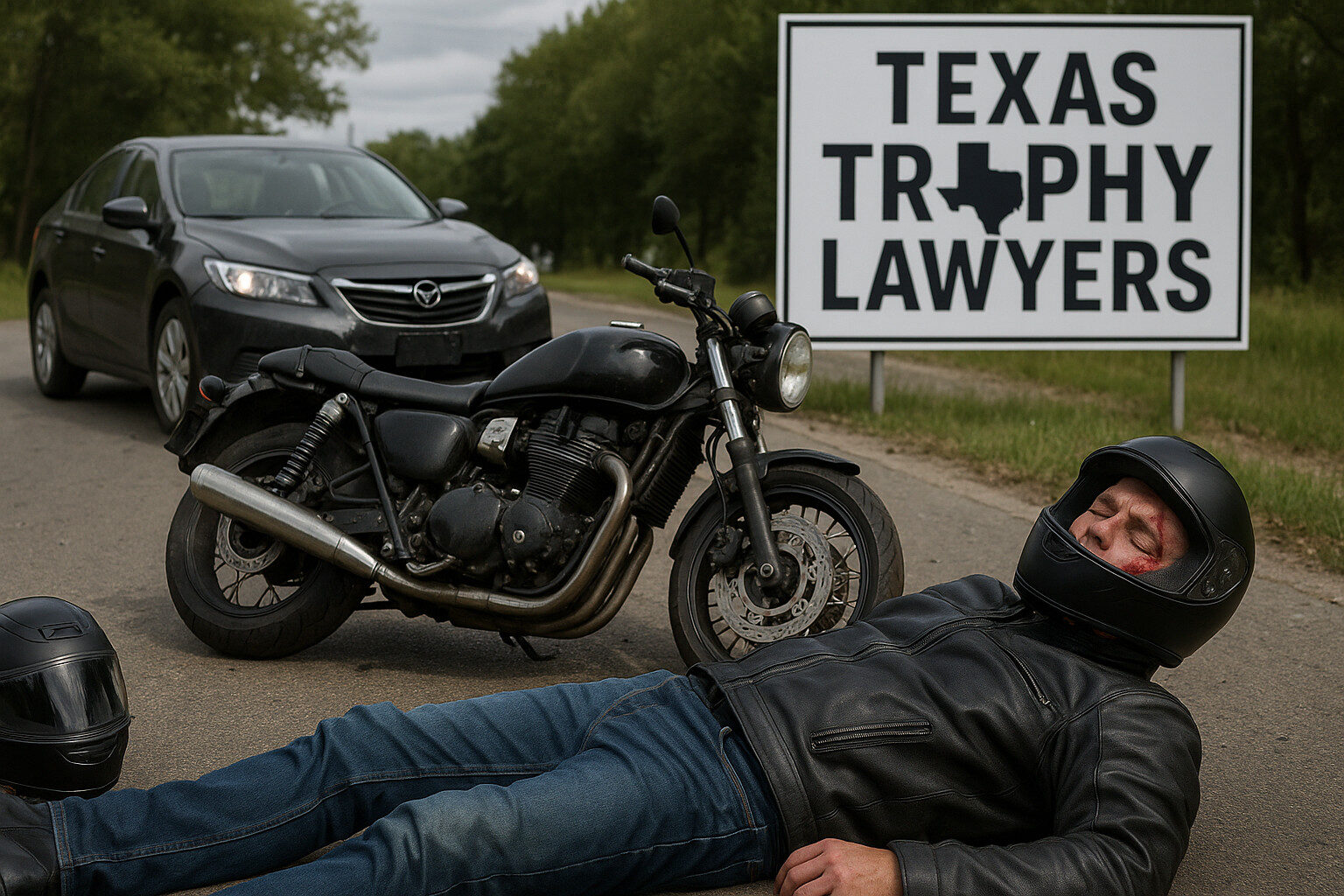

Why Are Motorcycle Accidents So Common in Texas?
Texas has one of the highest numbers of registered motorcycles in the United States, with thousands of riders hitting the open roads every day.
The wide highways, long stretches of rural roads, and warm weather make Texas an ideal place to ride. Unfortunately, this also means the state sees a large number of motorcycle crashes each year.
According to the Texas Department of Transportation (TxDOT), more than 8,000 motorcycle accidents happen in Texas annually, resulting in thousands of injuries and hundreds of fatalities.
The majority occur in busy metropolitan areas like Dallas, Houston, San Antonio, and Austin.
Read more about What percent of motorcycle accidents result in injury or death to understand just how risky riding can be.
What Are the Most Common Causes of Motorcycle Accidents in Texas?
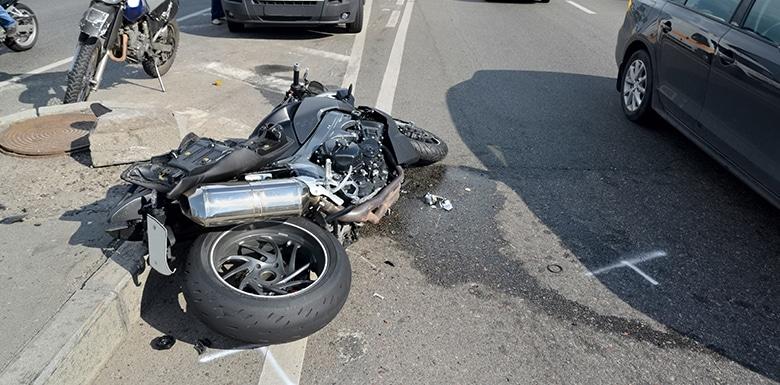
Motorcycle accidents often occur due to negligent or careless driving by others on the road. Some of the leading causes include:
- Failure to Yield – Drivers turning left often misjudge a motorcyclist’s speed.
- Distracted Driving – Texting, GPS use, or eating while driving leads to missed motorcycles.
- Speeding – Both riders and drivers increase the severity of crashes at higher speeds.
- Blind Spots – Cars and trucks frequently overlook motorcycles when changing lanes.
- Driving Under the Influence – Alcohol and drugs impair judgment and reaction time.
- Road Hazards – Gravel, potholes, or slick roads are especially dangerous for motorcycles.
When someone else’s negligence causes a crash, injured riders may be entitled to compensation under Texas personal injury law.
What Types of Injuries Happen in Motorcycle Crashes?
Motorcycle accidents can lead to devastating, life-changing injuries. Unlike drivers protected by seatbelts and airbags, riders absorb the full impact of a collision.
Some of the most common injuries include:
- Traumatic Brain Injuries (TBI): Even with helmets, severe head injuries are common.
- Spinal Cord Injuries: These may cause permanent paralysis or reduced mobility.
- Broken Bones & Fractures: Arms, legs, ribs, and pelvis are frequently injured.
- Road Rash: Skin abrasions that can require skin grafts and leave permanent scars.
- Internal Injuries: Organ damage and internal bleeding often require emergency surgery.
What Should You Do After a Texas Motorcycle Accident?

The steps you take immediately after an accident can impact your health, safety, and legal claim:
- Call 911 – Report the accident to police and request medical help.
- Seek Medical Attention – Even if you feel okay, internal injuries can appear later.
- Gather Evidence – Take photos, get witness statements, and exchange information.
- Avoid Admitting Fault – Do not apologize or make statements that could hurt your claim.
- Contact Adrian Chapa – Reach out to Texas Trophy Lawyer before speaking with insurance adjusters.
Insurance companies often try to reduce or deny motorcycle accident claims. Having legal representation ensures your rights are protected from the beginning.
Who Is at Fault in a Texas Motorcycle Accident?
Fault in motorcycle accidents depends on the circumstances.
In Texas, liability is determined by negligence—which party failed to exercise reasonable care.
Some examples of at-fault parties include:
- A driver who ran a red light and struck a motorcyclist
- A trucking company that failed to maintain its vehicles
- A city or county that neglected dangerous road conditions
- A motorcycle manufacturer if a defective part caused the crash
Texas follows modified comparative negligence.
This means if you’re found partially at fault, your compensation may be reduced. If you’re more than 50% responsible, you cannot recover damages.
What Compensation Can You Recover After a Texas Motorcycle Accident?
Victims of motorcycle accidents in Texas may be entitled to several forms of compensation, including:
- Medical Expenses: Hospital bills, surgeries, rehabilitation, and ongoing care.
- Lost Wages: Income lost due to missed work.
- Loss of Future Earnings: If injuries prevent you from returning to your career.
- Pain and Suffering: Compensation for physical pain and emotional distress.
- Property Damage: Repairs or replacement of your motorcycle.
- Wrongful Death Damages: For families who lost a loved one in a crash.
Adrian Chapa and his team at Texas Trophy Lawyer aggressively pursue maximum compensation for clients, making sure no expense or loss is overlooked.
How Long Do You Have to File a Motorcycle Accident Claim in Texas?

In Texas, the statute of limitations for filing a personal injury lawsuit is two years from the date of the accident. If you miss this deadline, you may lose your right to compensation.
However, it’s always best to act quickly. Evidence can disappear, witnesses may forget details, and insurance companies will use delays against you.
Contacting an attorney like Adrian Chapa immediately gives your case the strongest possible foundation.
Why Choose Adrian Chapa, the Texas Trophy Lawyer?
When you’re dealing with the aftermath of a motorcycle accident, you need more than just a lawyer—you need a fierce advocate who understands what’s at stake.
Here’s why riders across Texas trust Adrian Chapa, the Texas Trophy Lawyer:
- Proven Experience: Years of handling motorcycle accident cases across Texas.
- Aggressive Representation: Takes on insurance companies who try to minimize payouts.
- Client-Centered Approach: Treats every case with compassion, understanding the emotional and financial toll on families.
- No Fees Unless You Win: You pay nothing unless compensation is recovered.
Choosing the right attorney can make the difference between a denied claim and a life-changing settlement.
Final Thoughts: Protecting Riders in Texas

Motorcycle accidents are devastating, but knowing your rights and having the right legal team can make recovery possible.
If you or a loved one has been involved in a Texas motorcycle accident, don’t let insurance companies push you around.
Contact Texas Trophy Lawyer Adrian Chapa today for a free consultation.
He’s committed to fighting for injured riders and helping families get the justice and compensation they deserve.